How CBD Pain Relief Works: What Science and Experience Tell Us
For years, I watched friends and family reach for over-the-counter painkillers or prescription anti-inflammatories, often with mixed results and plenty of side effects. When I first heard about CBD as a natural option for managing discomfort, I was skeptical. But after seeing a close friend find real relief from chronic knee pain using a simple CBD balm, I started digging into the science. What I found surprised me: the way CBD interacts with our bodies is fundamentally different from most pain medications, and that difference matters.
CBD pain relief is not about numbing or blocking pain signals in the way that opioids or NSAIDs do. Instead, it works with your body’s own regulatory system, the endocannabinoid system, to help restore balance. This system is present throughout your body and plays a key role in managing pain, mood, sleep, and immune response. When something goes wrong, like chronic inflammation or nerve damage, the endocannabinoid system often struggles to keep up. That’s where CBD comes in.
Understanding How CBD Interacts With Your Body
The endocannabinoid system contains two main types of receptors: CB1 receptors, which are mostly found in the brain and central nervous system, and CB2 receptors, which are more common in the immune system and peripheral tissues. CBD does not bind directly to these receptors the way THC does. Instead, it influences them indirectly. It inhibits the breakdown of your body’s own endocannabinoids, allowing them to stay active longer. It also interacts with other receptor systems involved in pain perception, such as serotonin and vanilloid receptors.
This indirect action is part of why CBD is non-psychoactive and generally well-tolerated. It does not produce a high, and it does not carry the same risk of dependence as many conventional pain medications. For someone dealing with everyday aches, post-workout soreness, or even more persistent issues like arthritis or neuropathic pain, this makes CBD an attractive option.
Full-Spectrum vs. Broad-Spectrum vs. Isolate: What Matters for Pain
Not all CBD products are created equal, and the type of extract you choose can affect how well CBD pain relief works for you. Full-spectrum CBD contains all the cannabinoids, terpenes, and flavonoids naturally found in the hemp plant, including trace amounts of THC (up to 0.3% in federally legal products). Many users report that full-spectrum products provide more noticeable relief, possibly because of the “entourage effect”, the idea that multiple compounds work together synergistically.
Broad-spectrum CBD is similar but has the THC removed entirely. It still retains other cannabinoids like CBG and CBC, which some research suggests have anti-inflammatory properties. CBD isolate, on the other hand, is pure cannabidiol with no other cannabinoids. It is the most predictable in terms of dosage and lab testing, but some people find it less effective for stubborn pain.
In my experience, trying a high-quality full-spectrum or broad-spectrum product first is a practical approach. If you respond well to it, you may never need to switch. If you do not feel the effects, an isolate with a higher concentration might be worth experimenting with.
Topical CBD: Where You Apply It Matters
For localized pain, topical CBD products like balms, creams, and salves can be remarkably effective. The skin is rich in CB2 receptors, and applying a CBD balm directly to a sore joint or muscle allows the compound to interact with those receptors without having to pass through the digestive system or liver. This means faster onset and higher bioavailability at the target area.
I have a friend who uses a CBD balm on her wrists after long days at a computer. She says the relief is noticeable within about fifteen minutes and lasts for a few hours. For someone dealing with neuropathic pain, which is notoriously difficult to treat, topical CBD may offer a gentler alternative to prescription nerve pain medications. That said, not all topicals are equal. The quality of the carrier ingredients, the concentration of CBD, and whether the product uses full-spectrum or broad-spectrum CBD all influence the outcome.
Ingested CBD: Edibles, Oils, and Vapes
When pain is more widespread or systemic, ingesting CBD might be a better fit. CBD oil taken under the tongue or added to food offers good absorption through the mucous membranes, bypassing some of the first-pass metabolism in the liver. CBD edibles, like gummies or capsules, are convenient but take longer to kick in, usually thirty minutes to two hours, because they have to be digested. The effects, however, tend to last longer.
For faster relief, a CBD vape pen delivers CBD directly into the bloodstream through the lungs. This method offers the highest bioavailability of any common delivery route, and effects can be felt within minutes. It is particularly useful for acute pain flare-ups or anxiety relief, which often accompanies chronic pain. The trade-off is that the effects may not last as long as with edibles or oils, so you might need to use it more frequently.
I have seen people use a CBD vape pen for quick relief before a stressful meeting or a long car ride, then follow up with a CBD edible for sustained comfort throughout the day. Combining methods this way can be effective, but it requires careful attention to dosage.
Bioavailability and Dosage: Getting It Right
Bioavailability is a concept that comes up often in discussions of CBD pain relief, and for good reason. It refers to how much of the CBD you consume actually makes it into your bloodstream in an active form. Oral ingestion has notoriously low bioavailability, estimates range from 6% to 20%, because the liver breaks down much of the CBD before it reaches circulation. This is why many people need higher doses of edibles than they would of a tincture or vape.
Dosage is highly individual. Factors like body weight, metabolism, the severity of pain, and even your diet can affect how much CBD you need. A common starting point is 10 to 20 milligrams per day, gradually increasing until you find your “sweet spot.” I always recommend keeping a simple journal for the first week: note the product, the dose, the time of day, and how you feel an hour later. This takes the guesswork out of the process and helps you avoid wasting money on products that are not right for you.
Another factor to consider is something called endocannabinoid deficiency. Some researchers believe that certain people naturally produce fewer endocannabinoids, leaving their CB1 and CB2 receptors understimulated. This can manifest as chronic pain, anxiety, or sleep issues. For these individuals, consistent use of a high-quality hemp extract like CBD oil may help restore balance over time.
Inflammation: The Common Thread in Pain
Whether you are dealing with a sports injury, arthritis, or even a stubborn headache, inflammation is almost always part of the picture. CBD has been shown in numerous studies to reduce inflammation by interacting with immune cells and reducing the production of pro-inflammatory cytokines. This makes it particularly useful for conditions where inflammation drives pain, such as rheumatoid arthritis or inflammatory bowel disease.
I recall a colleague who suffered from chronic lower back pain due to an old injury. He tried CBD edibles for about three weeks and reported that while the pain did not vanish, the inflammation-related stiffness decreased noticeably. He was able to move more freely, which in turn helped him exercise more and further reduce his discomfort. This kind of indirect benefit is common with CBD pain relief, it addresses the underlying inflammatory process rather than just masking the symptom.
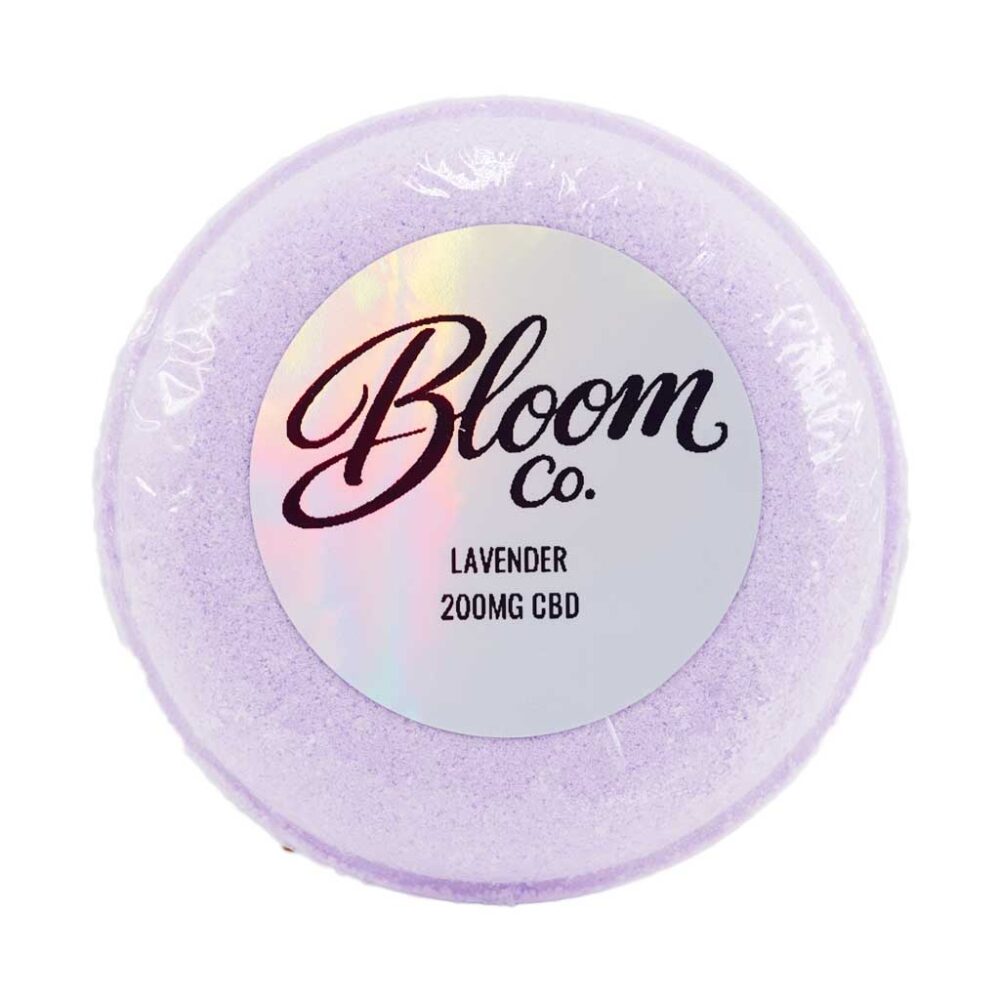
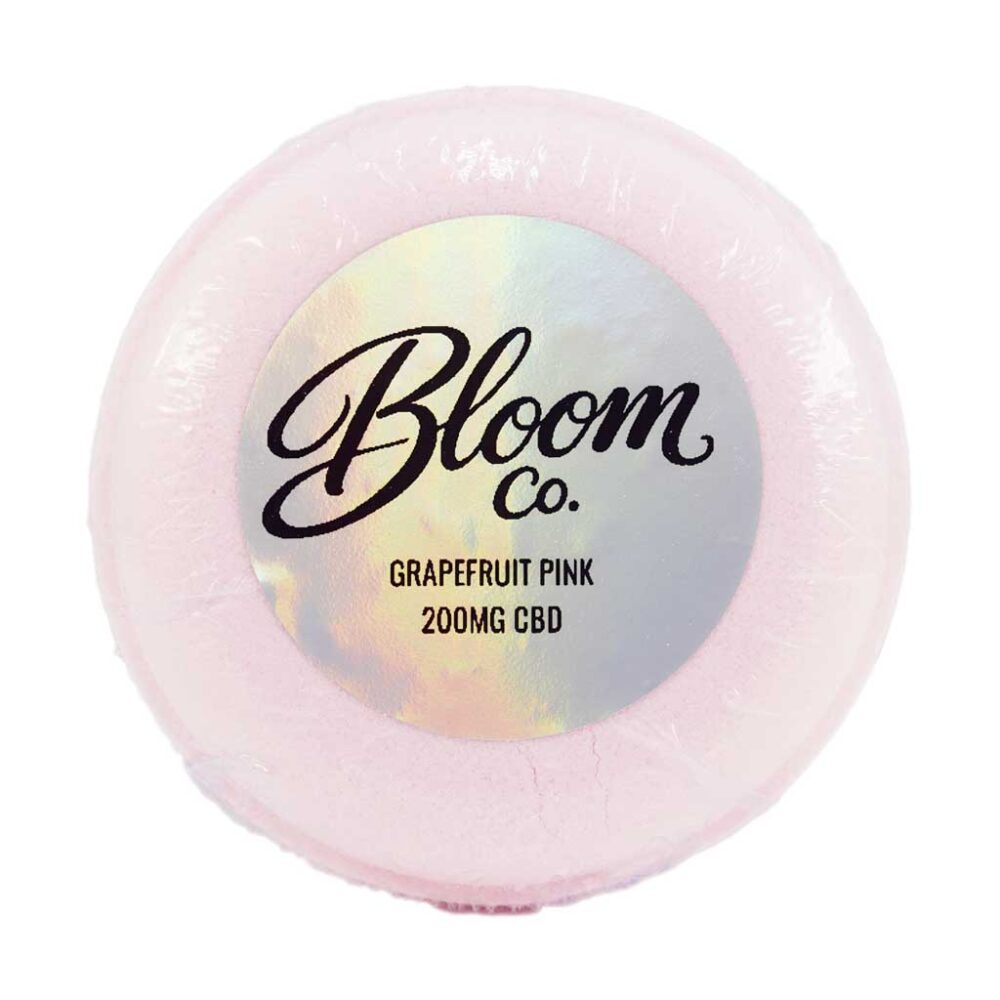
For those who prefer a more relaxing approach, a CBD bath bomb can be a pleasant way to introduce CBD to the body through the skin. The warm water opens up pores and may enhance absorption, while the aromatherapy aspect adds a layer of anxiety relief. It is not the most targeted method for severe pain, but for mild discomfort or as part of a self-care routine, it works well.

What to Look for in a Product
With the market growing fast, it pays to be selective. Third-party lab testing is the single most reliable indicator of a product’s quality. A reputable brand will have a certificate of analysis (COA) from an independent lab that confirms the CBD content and checks for contaminants like heavy metals, pesticides, and residual solvents. If a company does not make its COAs easily accessible, that is a red flag.
I also recommend checking whether the product is made from hemp extract rather than synthetic CBD. Hemp-derived CBD is natural and contains the full range of beneficial compounds, while synthetic versions may lack the entourage effect. Finally, pay attention to the carrier ingredients. For a topical CBD balm, you want something with natural oils and butters that nourish the skin, not just cheap fillers.
In short, CBD pain relief is not a one-size-fits-all solution. It requires some experimentation, a willingness to learn about your own body, and a careful eye for product quality. But for millions of people, it offers a way to manage discomfort that is both effective and gentle. That is a combination worth exploring.